


B&A Metallaufbereitung: Creating value from every fraction
B&A Metallaufbereitungs-GmbH in Nuremberg recovers high-quality, single-grade secondary raw materials from complex metal mixtures such as heavy shredder fractions, turning them into marketable products. Together with STEINERT, the company developed a plant concept that precisely aligns the business case, product quality and value creation.
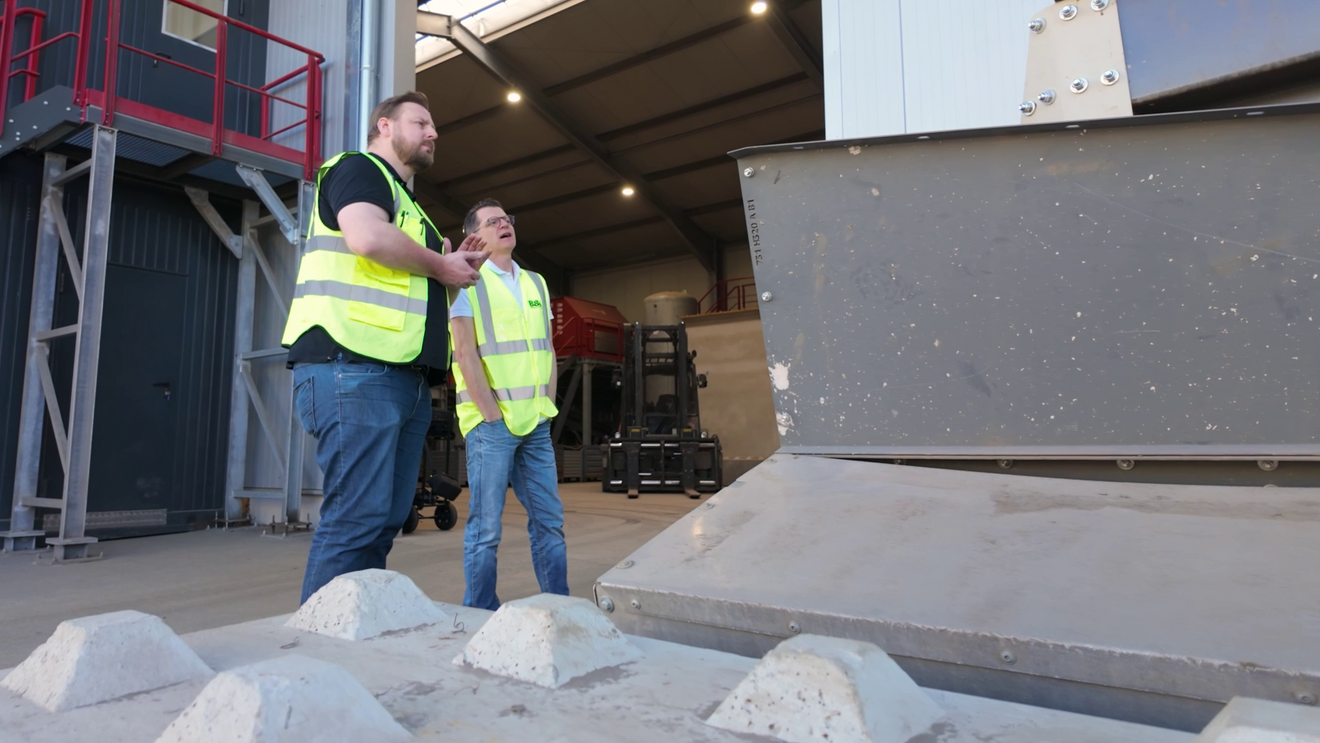
Success in metal recycling today requires more than throughput alone. What is needed are plant concepts capable of turning complex input materials into clearly defined, marketable products. B&A Metallaufbereitungs-GmbH in Nuremberg demonstrates how consistently this ambition can be translated into an industrial business case.
The company was founded in 2010 with the aim of processing mixed-metal fractions from various shredding processes into cleanly separated material streams. Today, B&A represents an approach that is becoming increasingly important in the market: dry, flexible and high-quality metal processing, designed to handle changing input qualities and meet the demands of sophisticated end markets.
Behind this development is a clear entrepreneurial idea. Managing Directors Sebastian Brandmayr, Roland Fischer and Christopher Witton are not simply relying on individual machines, but on a finely tuned sorting concept. Together with the STEINERT team, they analysed which products the market requires, which qualities can be achieved from the available material streams, and which technology delivers the greatest value contribution at each stage of the process.
Cable concentrate and stainless steel from all-metal material
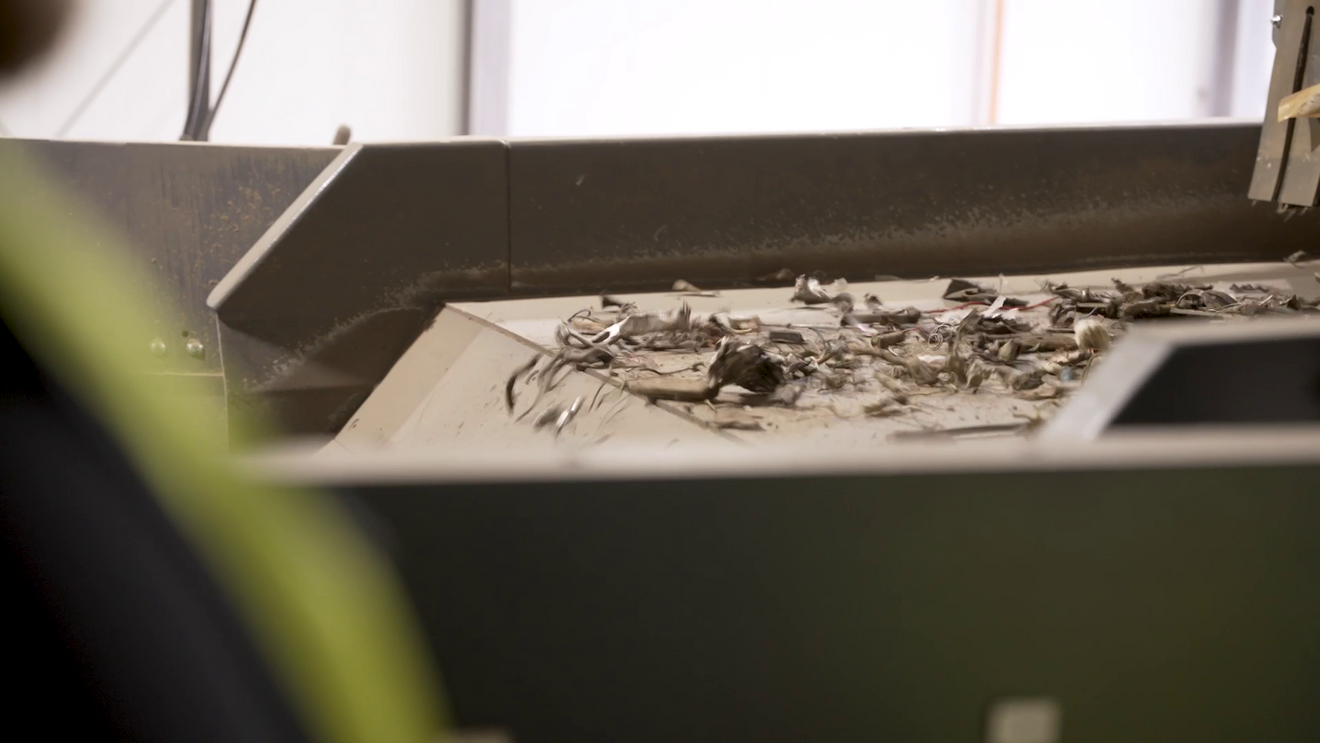
The process begins with non-ferrous metal separation. This creates the necessary pre-sorting stage to recover valuable non-ferrous metals from the material stream and feed the subsequent sensor-based sorting steps in a targeted way.
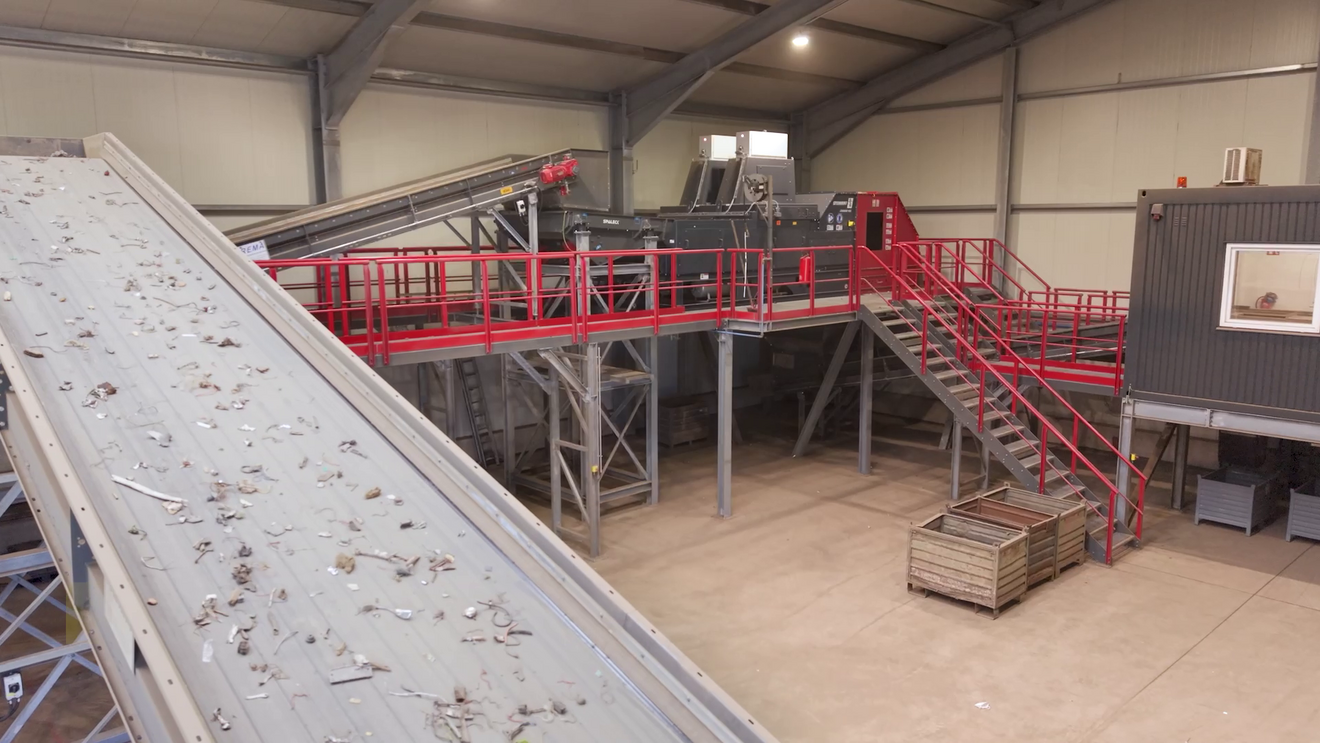
From the all-metal mix, a STEINERT KSS CLI then separates cable and stainless steel concentrates, among other fractions. The combination of colour detection, 3D laser and inductive sensor technology enables flexible classification of individual objects and significantly increases sorting depth.
Precision for high-quality wrought aluminium
The second sorting line is particularly forward-looking: B&A produces a clean wrought aluminium product from ZORBA. For this application, the company uses a STEINERT XSS T EVO 5.0 sorting system operating with X-ray transmission technology. This makes it possible to evaluate density differences and separate complex material mixtures with greater precision. For aluminium recyclers, this capability is crucial: only by reliably removing cast aluminium, heavy metals and impurities can high-quality aluminium fractions be produced for demanding markets.
However, the process does not end with aluminium. The drop fraction from the ZORBA stream, consisting of cast aluminium and mixed heavy metals, is subsequently processed through a STEINERT KSS XF L. Its X-ray fluorescence technology analyses the elemental composition of the material, enabling the targeted recovery of high-grade heavy metal fractions such as copper and brass, as well as a cast iron fraction.
Turning residual fractions into revenue potential
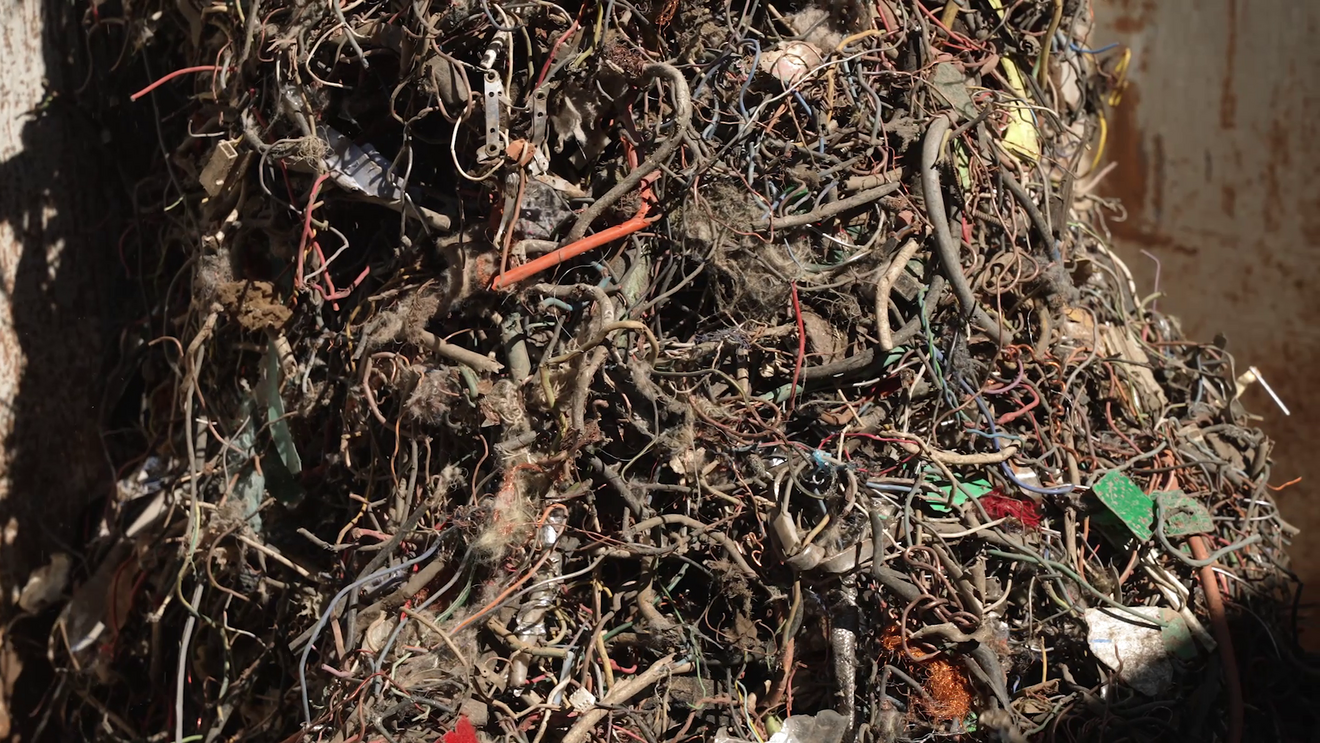
It is precisely this cascade that makes the showcase so compelling: B&A does not view residual fractions as an unavoidable reject stream, but as the starting point for additional value creation. Every sorting step is aligned with a clearly defined product objective. The result is a plant concept that reduces raw material losses, increases product quality and opens up additional marketing opportunities for the company.
For the industry, B&A is therefore an example of a new generation of medium-sized metal processors. It is not scale alone that determines success, but the ability to intelligently combine material, market and technology. In Nuremberg, a smart business idea, consistent implementation and close technical coordination have created a showcase whose relevance extends well beyond the site itself.