MRF SINGLE STREAM
The processing and sorting of a single-stream collection
The automatic sorting and recovery of mixed recyclables from curbside collection
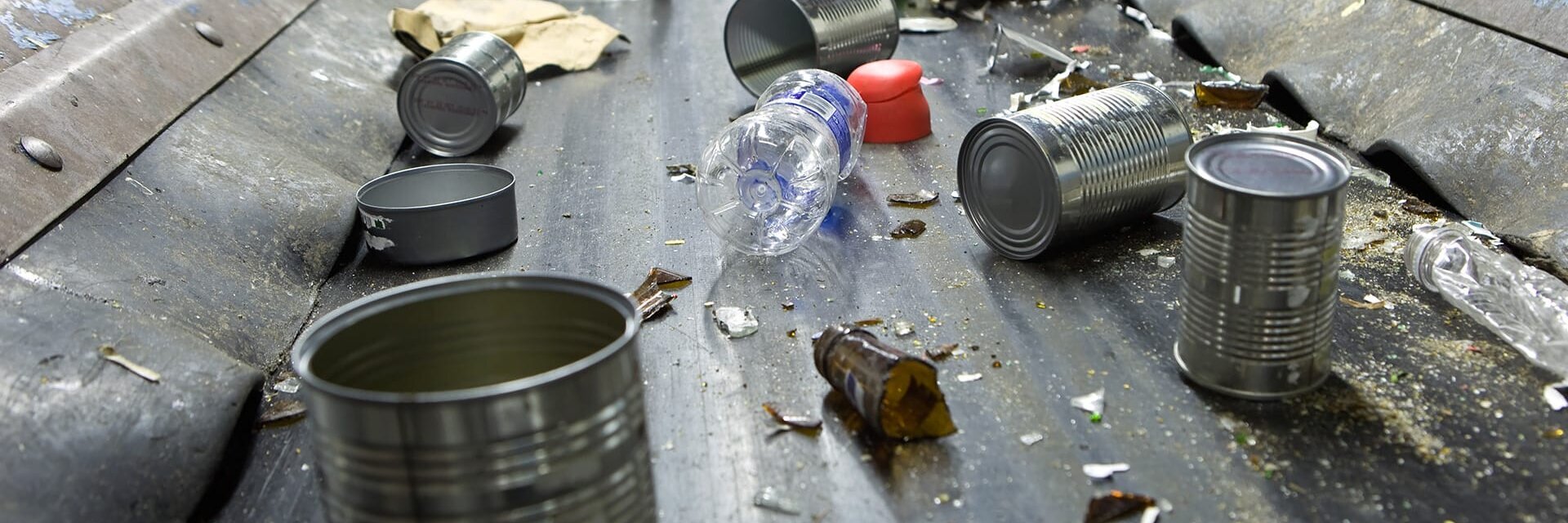
Single-stream recycling refers to collection, handling and processing of a mixed recyclables. The material to be processed consists primarily of plastic packaging containers, paper, cardboard, textiles, ferrous and nonferrous metals. This generally dry stream of waste may also contain a certain amount of glass. Despite its small volume, the glass accounts for a significant proportion of the weight and is highly contaminated.
Unlike dual-stream recycling, in which consumers presort the material into separate fractions of recyclables, single-stream collection service channel all recyclables into a single fraction. Material is then sorted in different type of recyclables by the material recovery facility (MRF) Steinert offers different equipment for this process so that the input material is automatically separated into individual, high-quality commodities.
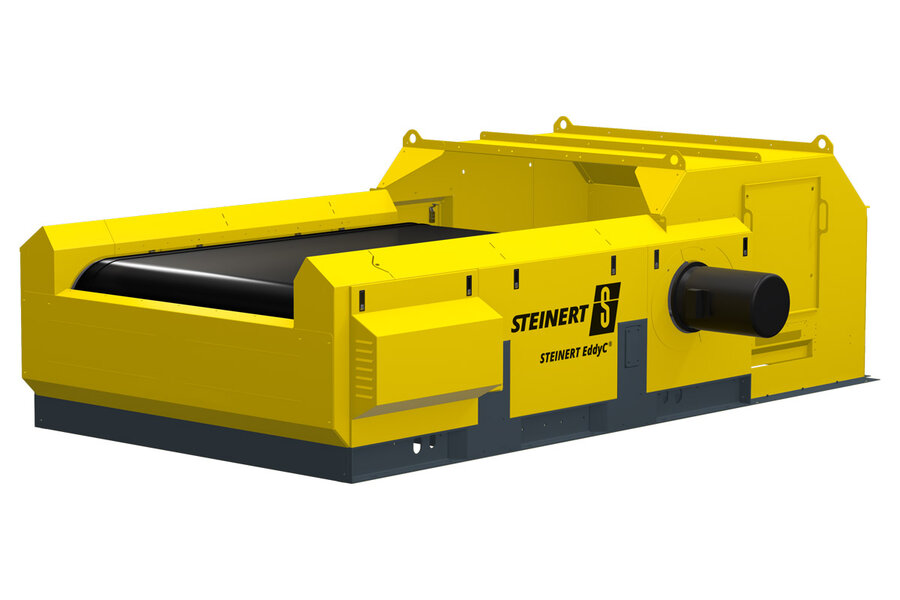
The proven magnet technology from Steinert employs overbelt magnets, magnetic drums & pulleys along with nonferrous metal separators (eddy current separators — ECS) to separate ferrous and nonferrous metals from the recycling stream.
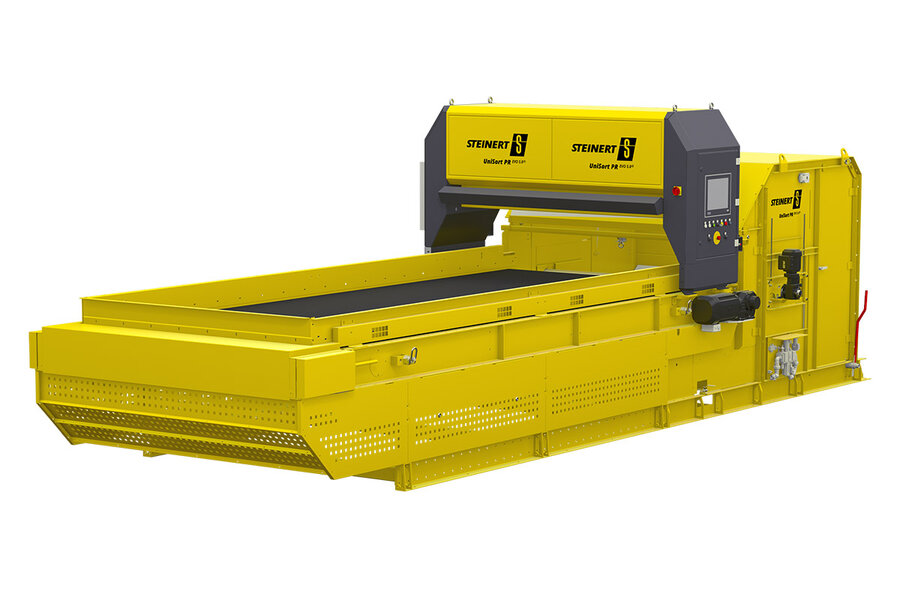
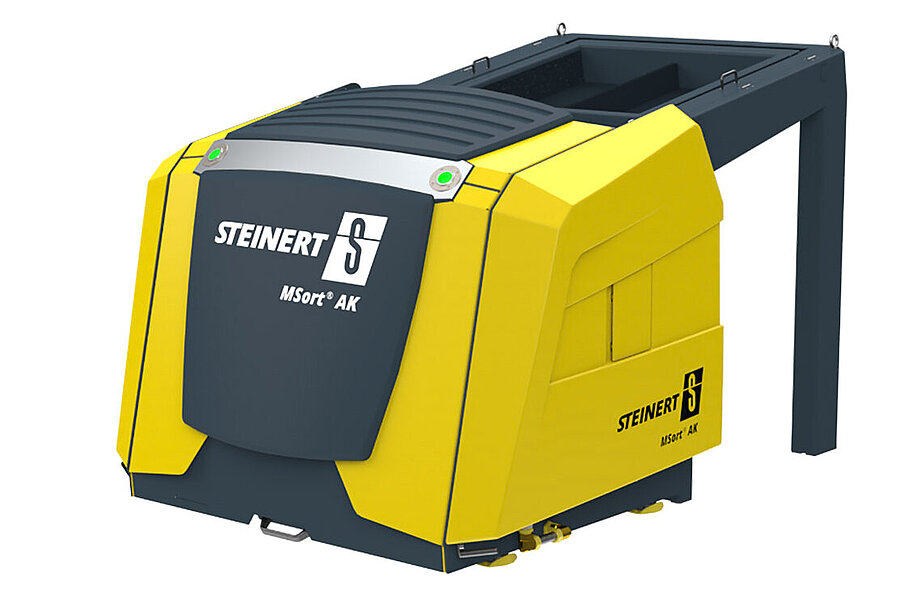
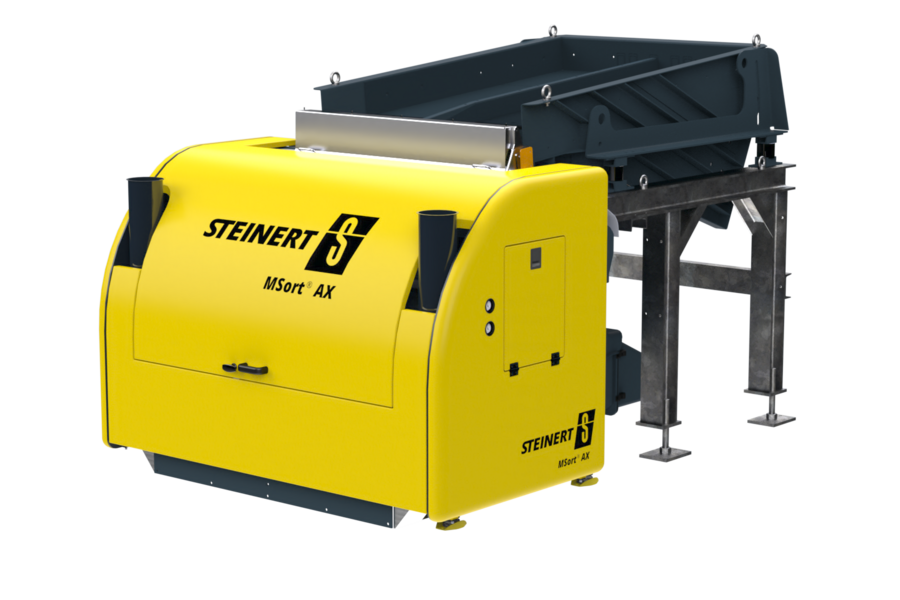
Other commodities such as plastic containers, packaging and paper grade are efficiently classify and automatically sorted by Steinert sensor sorting systems from the UniSort family. High-quality near-infrared technology featuring HSI camera systems and colour sensors identify the material and uses predefined sorting programs to extract and group the wanted recyclables from the remaining material. The highly contaminated glass is detected within the visible light spectrum using the colour-sorting technology of the MSort product range and is then separated by colour using the transmitted-/reflected light method.
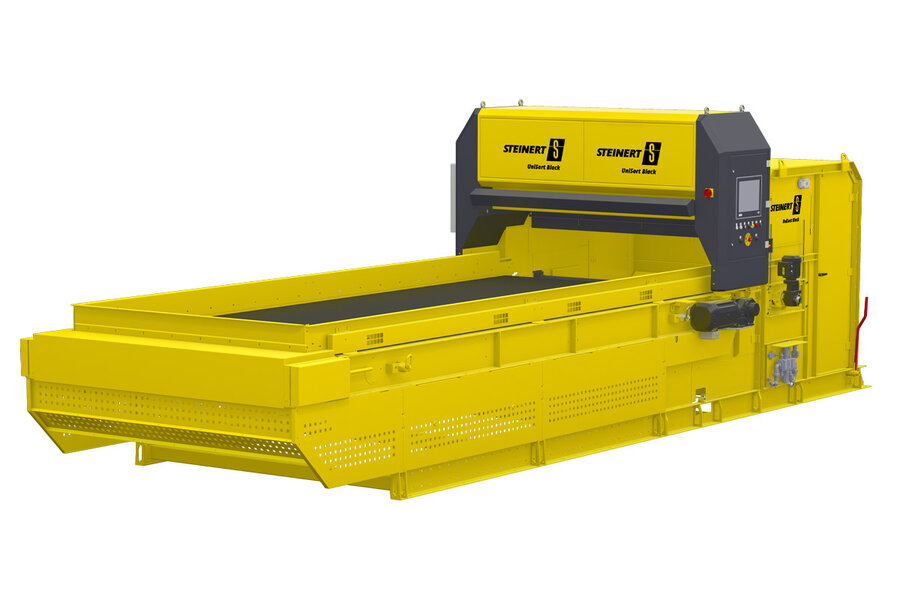
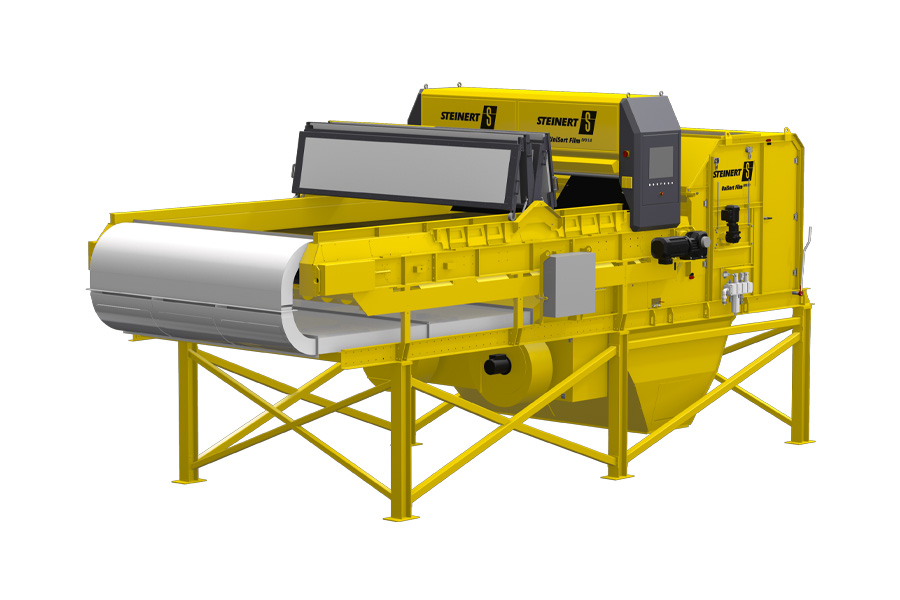
Ongoing innovation at Steinert enables the sustainable improvement of these recycling steps. Sorting systems such as UniSort Black can also detect black objects in the single stream and UniSort Film easily makes the separation of hard-to-handle containing paper and cardboard, foils and plastic films more efficient.
Your benefits:
- Magnet technology, eddy current separators, sensor technology
- Sorting of wood/paperboard/paper/cardboard/plastic/glass
- Recoverables/secondary raw materials
Solution Guide Glass Recycling
 Download after data entry